
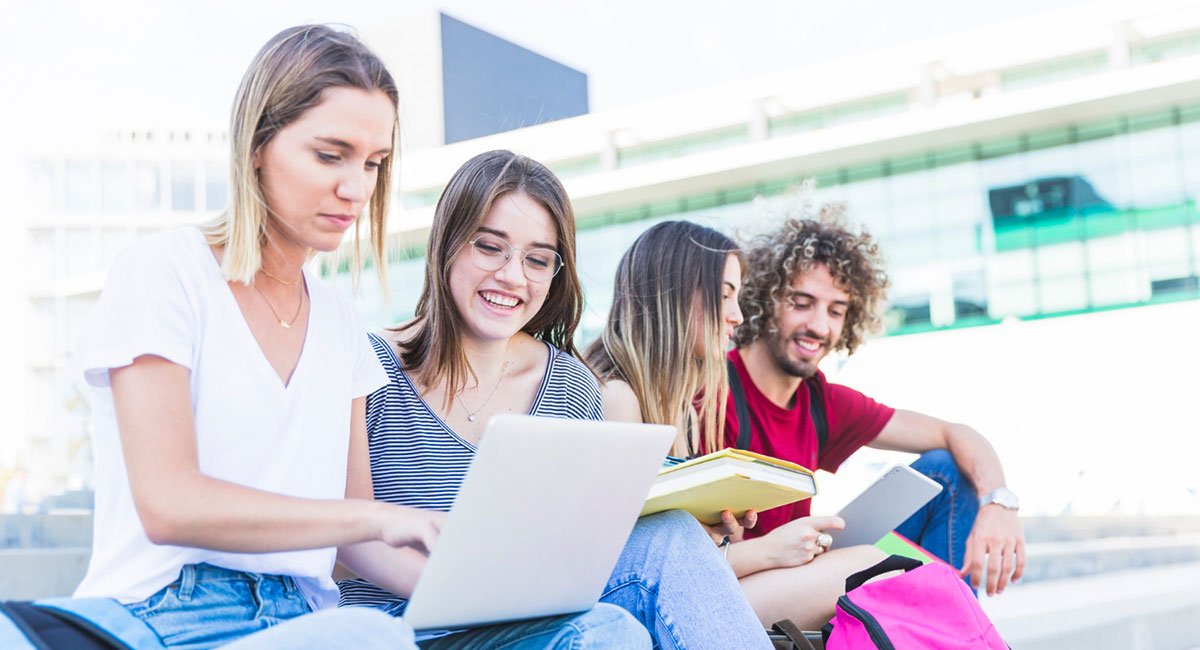
Creating Inclusive Classrooms: Fostering Diversity and Equity in Education
Education should be a place where every learner feels respected, valued, supported, and given a genuine opportunity to succeed. As classrooms become increasingly diverse, creating inclusive learning environments is essential to ensuring that differences become a strength rather than a barrier.
What Is Inclusive Education?
Inclusive education is an approach that ensures learners—regardless of their background, abilities, culture, language, gender, or individual circumstances—can participate meaningfully in the learning process.
It goes beyond simply bringing different students into the same classroom. True inclusion means creating an environment where every learner can participate, contribute, and reach their potential.
Why Diversity and Equity Matter
Every student brings unique experiences, perspectives, abilities, and learning needs to the classroom. When these differences are recognised and respected, they can enrich the learning experience for everyone.
Inclusive classrooms can help students develop:
- Respect for different perspectives
- Empathy and understanding
- Collaboration and communication
- Confidence and sense of belonging
- Critical thinking and creativity
- Greater appreciation of diversity

The Role of Educators
Educators play a central role in creating inclusive classrooms. They can achieve this by recognising individual learning needs, encouraging respectful interaction, using diverse learning materials, and ensuring that every student has opportunities to participate.
Educators should also be attentive to barriers that may prevent some learners from fully engaging with education and adapt their teaching approaches where necessary.
An inclusive educator does not expect every learner to learn in exactly the same way. Instead, they create opportunities for different learners to succeed.
From Equality to Equity
Equality means providing everyone with the same resources or opportunities. Equity recognises that different learners may require different levels or forms of support to achieve meaningful outcomes.
For example, providing the same learning materials to every student may appear fair, but adapting resources for a learner with a disability or different learning needs can create a more equitable educational experience.
Building a Culture of Belonging
Inclusion is not only about teaching methods. It is also about creating a culture where students feel that they belong.
Simple practices such as encouraging respectful dialogue, celebrating diverse perspectives, preventing discrimination, and giving students a voice can make a significant difference.
Preparing Students for a Diverse World
Today’s students will enter workplaces and communities that are increasingly interconnected and diverse. Learning to collaborate with people from different backgrounds is therefore an essential life and career skill.
Inclusive education helps students develop the openness, empathy, communication skills, and adaptability needed to thrive in such environments.
Creating Better Learning Experiences
At ACCSA Global University, we believe that quality education should be accessible, respectful, and responsive to the diverse needs of learners.
When classrooms embrace diversity and promote equity, education becomes more than the transfer of knowledge—it becomes a pathway to opportunity, participation, and empowerment.
